Creating a Complete Bridal Look
A bridal hairstyle is more than a beautiful arrangement of curls, braids, or an elegant updo. We consider the hairstyle an important part of the complete wedding look because it needs to complement the dress, neckline, veil, jewelry, and overall bridal style. The right hairstyle can highlight the details of a wedding gown while creating visual balance around the face and shoulders. We also consider the bride’s hair texture, length, density, comfort preferences, and the amount of movement expected throughout the celebration. Rather than choosing a hairstyle simply because it looks attractive in a photograph, we look at how every element of the bridal appearance works together. This thoughtful approach helps create a polished look that feels coordinated from the ceremony through the final wedding photographs.
Understanding the Wedding Dress
The wedding dress provides an important starting point when selecting a bridal hairstyle. A detailed gown may call for a hairstyle that keeps the overall appearance refined instead of competing with the dress. Conversely, a simple dress can provide an opportunity for more texture, volume, braiding, or decorative hair accessories. We examine the silhouette, fabric, embellishments, sleeves, back details, and overall structure of the gown before recommending a hairstyle. The goal is to create harmony between the hair and the dress without making either element disappear. When the hairstyle supports the character of the gown, the entire bridal appearance tends to look more intentional and balanced.
Matching Hairstyles With Necklines
The neckline of a wedding dress can significantly influence how the hairstyle frames the upper body. Strapless gowns often work beautifully with soft waves, romantic updos, sleek buns, and hairstyles that allow the shoulders and neckline to remain visible. High necklines can pair well with carefully structured updos because keeping the hair away from the neck prevents the upper portion of the look from becoming visually crowded. V necklines may complement hairstyles with soft waves or swept-back sections that naturally follow the vertical shape created by the dress. Square and sweetheart necklines offer flexibility, allowing brides to choose between romantic loose styles and sophisticated pinned arrangements. We always consider the neckline alongside the bride’s facial features and personal style so the hairstyle feels flattering rather than simply following a standard formula.
Styling Around Strapless Dresses
A strapless wedding dress places particular attention on the shoulders, collarbone, and neckline. Because these areas are exposed, a hairstyle can be used to either emphasize that openness or introduce softness around it. An elegant chignon can create a sophisticated appearance while keeping the shoulders completely visible. Soft waves gathered to one side can provide a romantic effect without covering too much of the neckline. Brides who prefer a relaxed appearance may choose partially pinned hair that creates movement while maintaining the openness of the dress. Our styling approach considers whether the bride wants a glamorous, classic, romantic, or modern result before determining how much hair should remain around the shoulders.
Styling With High Necklines
High neck wedding dresses naturally create a strong visual presence around the upper body. Wearing the hair in an elevated updo can help maintain a clean silhouette and allow intricate neckline details to remain visible. A sleek bun can complement structured gowns, particularly when the dress features lace, embroidery, pearls, or other elaborate elements. For a softer appearance, a textured updo with delicate tendrils can balance the formal character of a high neckline. Long hair worn completely down may sometimes create too much visual weight around the neck, particularly when the dress already contains substantial detailing. We evaluate the dress carefully so the final hairstyle enhances the neckline rather than competing with it.
Complementing V Necklines
V neck wedding dresses create a natural vertical line that can be complemented by hairstyles with length, softness, or carefully placed volume. Loose waves can frame the face while allowing the neckline to remain visible in photographs. A low bun can also work beautifully because it creates an elegant contrast between the structured neckline and the softer shape of the hairstyle. Side swept hair may add asymmetry and movement when the bride wants a more romantic appearance. For dresses with delicate lace or minimal embellishment, textured waves can introduce dimension without overwhelming the gown. The hairstyle should ultimately follow the proportions of the dress while preserving the bride’s preferred level of sophistication.
Working With Sweetheart Necklines
Sweetheart necklines have a naturally romantic shape that often pairs well with soft and feminine hairstyles. Loose curls, half-up styles, and textured buns can reinforce the graceful character of this neckline. A half-up hairstyle can be especially useful for brides who want the elegance of an updo while still keeping some length around the shoulders. Hair accessories can be positioned strategically to complement the curved neckline without creating unnecessary visual competition. For a more glamorous result, polished waves can frame the face while leaving the central neckline unobstructed. We consider the curve of the neckline, the shape of the bride’s face, and the details of the dress before deciding how much volume and texture to incorporate.
Choosing the Right Veil
A veil is another major consideration because it interacts directly with the hairstyle. The veil may be positioned above an updo, beneath a bun, attached near the crown, or secured farther back depending on its length and design. Cathedral veils, fingertip veils, birdcage veils, and shorter styles can each create very different proportions around the hairstyle. A heavily decorated veil may require a simpler hairstyle so the overall look remains balanced. A minimal veil can provide more freedom to introduce braids, waves, twists, accessories, or additional texture into the hair. We discuss the veil placement carefully because the hairstyle must not only look beautiful but also provide a secure foundation for the veil throughout the wedding day.
Coordinating With Veil Length
The length of a veil can influence both the visual weight and placement of the hairstyle. Long cathedral veils can create a dramatic effect when paired with an elegant updo that keeps the head and neckline visually defined. Fingertip veils offer versatility and can work with both loose hairstyles and structured arrangements. Shorter veils may complement vintage inspired hairstyles, polished waves, or compact updos particularly well. When the veil contains lace, embroidery, pearls, or other embellishments, we consider how those details interact with the hair accessories and dress. Our objective is to create a cohesive arrangement where the veil enhances the hairstyle rather than making the hair appear hidden or disconnected.
Considering Hair Texture and Length
A hairstyle that looks beautiful on one bride may not produce the same result on another because hair texture and density influence styling possibilities. Fine hair may benefit from strategic volume, texture, extensions, or carefully placed accessories to create a fuller appearance. Thick or naturally textured hair may require different preparation techniques to maintain the desired shape throughout the celebration. Hair length also affects whether a particular bun, braid, wave, or pinned style can be created securely. We assess the natural characteristics of the hair before recommending a bridal style rather than relying entirely on inspiration photographs. This personalized approach helps ensure that the chosen hairstyle is realistic, comfortable, secure, and flattering.
Balancing Hair Accessories
Hair accessories can add a distinctive finishing touch to a bridal hairstyle, but their placement should support the overall look. Tiaras, combs, pins, pearls, flowers, and jeweled pieces can be positioned according to the hairstyle, veil, dress embellishments, and jewelry. A highly detailed accessory may become overwhelming when combined with an ornate gown and heavily decorated veil. In contrast, a minimalist dress may benefit from a statement hairpiece that adds character and visual interest. We consider the scale, color, finish, and placement of each accessory before incorporating it into the hairstyle. The best accessory is one that completes the bridal look without making the hair feel disconnected from the rest of the ensemble.
Creating Balance With Facial Features
The hairstyle should complement the bride’s facial features as well as the wedding dress. Face shape can influence where volume, curls, height, and framing pieces are placed within the hairstyle. Soft tendrils can add movement around the face, while a sleek pulled-back style can create a more defined and polished appearance. The position of the part can also change the visual balance of the hairstyle and influence how facial features are framed. We take these factors into consideration while ensuring that the bride’s personal preferences remain central to the styling decision. A successful bridal hairstyle should make the bride feel confident and comfortable rather than forcing her into a style that does not feel like her.
Considering Wedding Photography
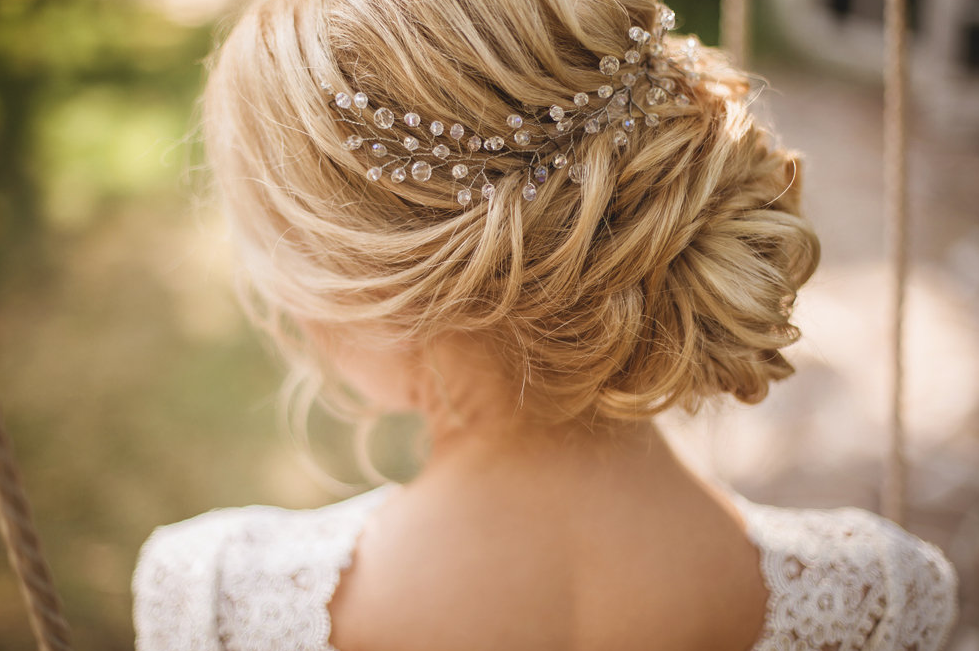
Wedding hairstyles should also be evaluated from a photography perspective because bridal portraits capture the look from numerous angles. A hairstyle may appear different from the front, side, back, and slightly elevated viewpoints. Details such as braids, twists, pinned curls, and hair accessories can create visual interest in photographs while adding dimension to the overall appearance. The back of the hairstyle becomes especially important when the wedding dress features an open back, lace detailing, buttons, or other distinctive elements. We consider how the hairstyle will appear during close portraits as well as wider photographs taken throughout the ceremony and reception. This helps create a bridal style that looks intentional and beautiful both in person and in the finished wedding album.
Planning for Comfort and Longevity
Beauty is important, but comfort and durability are equally valuable on a wedding day. A hairstyle should remain secure through the ceremony, photographs, conversations, dancing, and hours of celebration without becoming excessively heavy or uncomfortable. Excessive tension can make certain hairstyles difficult to wear for extended periods, so we consider how the hair will be secured and how much weight the accessories and veil will add. Weather conditions can also influence styling decisions, particularly when humidity, heat, wind, or outdoor ceremonies are involved. We select preparation and finishing techniques according to the bride’s hair characteristics and wedding environment. Careful planning allows the hairstyle to maintain its shape while helping the bride remain comfortable throughout the day.
The Importance of a Bridal Trial
A bridal hair trial provides an opportunity to test the complete styling concept before the wedding day. During the trial, the bride can see how the hairstyle works with her dress neckline, veil, accessories, and overall bridal aesthetic. It is also a useful time to identify practical concerns such as comfort, hair security, volume, texture, and veil placement. Reference photographs can communicate inspiration, but adjustments are often necessary to suit the bride’s actual hair and facial features. We use this process to refine the details instead of leaving important styling decisions until the wedding morning. A successful trial can provide confidence that the final hairstyle will complement the entire wedding ensemble.
Personal Style Still Matters
Although necklines, veils, and dresses provide valuable styling guidance, the bride’s personality should remain at the center of the decision. Some brides feel most confident in polished buns, while others prefer flowing waves, relaxed braids, or modern half-up hairstyles. A traditional wedding dress does not necessarily require a traditional hairstyle, just as a contemporary gown does not require an ultra-modern hair design. We listen to what the bride wants her wedding appearance to communicate and then adapt professional styling techniques around that vision. The final hairstyle should feel like an elevated version of the bride rather than a completely different identity. This balance between professional guidance and personal preference is what makes bridal styling genuinely individualized.
Bringing Every Element Together
A beautiful bridal appearance comes from coordinating multiple details rather than choosing each element separately. The wedding dress establishes the overall character, the neckline influences the framing, the veil adds movement and dimension, and the hairstyle connects these elements around the bride’s face and shoulders. Jewelry and accessories can then be incorporated to complete the visual balance without creating unnecessary competition. We carefully evaluate these relationships so the finished look feels cohesive from every important angle. This process allows small details such as veil placement, hair texture, volume, and accessory positioning to make a meaningful difference. At MeTime Salons, we approach bridal hair styling as a personalized design process that brings the bride’s complete wedding vision together.
Preparing for the Wedding Day
Good preparation can make the final bridal styling process much smoother and more predictable. Brides should communicate their dress style, neckline, veil design, accessories, wedding location, and preferred hairstyle well before the wedding day. Sharing photographs of the dress and inspiration styles can also help the stylist understand the desired direction. It is useful to complete a trial early enough to allow changes if the initial hairstyle does not feel completely right. Hair preparation should also be discussed because washing, conditioning, drying, and product use can affect how well certain styles hold. With thoughtful preparation and professional styling guidance, the bride can walk into her wedding day knowing that her hairstyle has been designed to complement every important detail of her bridal look.